Concrete slabs and shed bases in Logan
Updated October 2026
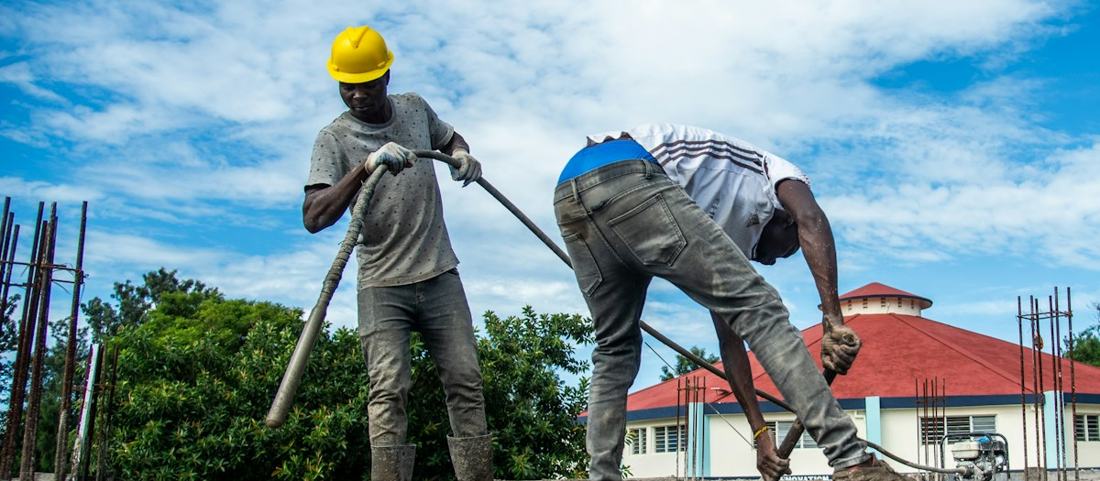
Whether you need a machinery shed base out at Jimboomba, a garage slab in a Logan Reserve estate or a studio slab behind an older house at Springwood, the slab is the part of the job you never want done badly. We connect you with experienced, insured local concreters who pour slabs across the City of Logan. We are a referral service, not a concreting business, so your job goes to a contractor suited to its size and complexity.
Common slab jobs in Logan
- Shed, workshop and machinery bases
- Garage and carport slabs
- Granny flat, studio and secondary dwelling slabs
- House slab extensions
- Pool surrounds and equipment pads
- Hot water, tank and air conditioner pads
- Caravan, boat and trailer hardstands
The acreage at Jimboomba, Logan Village, Greenbank, Forestdale and Carbrook drives steady demand for large shed and machinery bases, while the newer estates at Yarrabilba, Flagstone and Park Ridge keep garage slabs and driveways ticking over.
What a concrete slab costs
Guide pricing only. Published 2026 Australian figures put a plain concrete slab at roughly $75 to $150 per square metre supplied and laid, with around $110 typical. Small pads often cost more per square metre than that range suggests, because the fixed costs of the truck, crew and setup are spread over fewer metres. Site conditions move the price more than the finish does. Get a fast quote for a real number on your block.
How a slab is built
A good slab is mostly about what happens before the truck arrives.
1. Excavation to a level base and removal of topsoil
2. Compacted road base or crushed rock
3. Formwork set to height with correct falls for drainage
4. A plastic vapour barrier where required
5. Steel mesh reinforcement on bar chairs, not lying on the ground
6. The pour, screed and finish
7. Curing, then control joints cut or tooled to manage shrinkage cracking
Shed slabs are commonly 100mm thick with SL72 mesh. Slabs carrying vehicles or machinery are often 125mm or more with heavier mesh. Thickened edge beams suit sheds that bolt down to the perimeter.
Site classification decides the slab, and it is done per block
This is the part most quotes gloss over. Site classification under the Australian standard is what sets slab type, thickness, footing depth and reinforcement, and it is assessed per block rather than per suburb. Two houses in the same street can classify differently depending on fill, drainage and what the ground does. Anyone who tells you what your ground is before looking at it is guessing, and a slab designed on a guess is the expensive kind of mistake. For a structure of any size, the classification and an engineer's design are worth having in writing before the pour.
On cut-and-fill estate blocks, where the slab sits partly on cut and partly on engineered fill, this matters more, not less. Ask what the quote assumes about the fill under your shed and what happens to the price if the ground proves different once the topsoil comes off.
Excavation, overlays and the property report
Logan City Council maps acid sulfate soils across the low-lying parts of the city, including the river flats around Beenleigh, and that overlay is one of the things checked before significant excavation. The council's PD Hub property report lists the overlays that apply to an address, so pulling it before a job that involves real digging is cheap insurance. Bigger excavation on a low-lying block can also need advice on how the spoil is handled, which is a conversation to have before the machine arrives rather than after.
Approvals, licensing and termites
Sheds, garages, studios and secondary dwellings in Queensland sit under the building approval system, and whether your slab needs an approval depends on the structure it is carrying, its size and its siting. Those rules are in the Building Regulation 2021, and Logan City Council and private building certifiers apply them, so check with the council or a certifier before you pour. A slab poured without a required approval can be expensive to unwind. Building work valued over $3,300 generally requires a QBCC licensed contractor, so ask for the licence number. South East Queensland is termite country, so for anything with a frame on it, ask how the termite management system at the slab edge and penetrations is being handled and get it in the quote. Before any digging, your concreter should lodge a free Before You Dig Australia (BYDA) enquiry.
Site factors that move the price
- Access. If the truck cannot get close, a concrete pump or barrow run adds cost. Long acreage tracks and tight estate frontages are the usual culprits.
- Cut and fill. Sloping blocks need more excavation and sometimes a retained edge before the slab can go down.
- Fill quality. A pad built on uncontrolled fill needs more preparation than one on cut ground.
- Old concrete. Breaking out an existing slab adds demolition and tip fees.
- Engineering. A heavy structure or difficult ground can require an engineered design.
- Cartage. Jobs well out past the Mount Lindesay Highway sit further from the batching plants, which can show up in the price.
- Weather. Rain delays pours and summer heat means early starts. A slab poured in the wrong conditions is a slab you pay for twice.
How long a slab lasts
A well built slab on a properly prepared base should last 40 years or more with no drama. Hairline shrinkage cracks are normal. Wide, stepped or sunken cracking is not, and our concrete repairs page covers the options if you have an older slab moving.
Ready to price your shed base or slab? Get a fast quote and compare local contractors.
Frequently asked questions
How thick should a shed slab be?
100mm with SL72 mesh suits most garden sheds and workshops. Go to 125mm or more if the shed will house a vehicle, tractor, hoist or heavy machinery. Your contractor will confirm once they see the ground and the shed specifications.
Do I need an approval for a shed slab?
It depends on the shed, its size and its siting. The rules sit in the Building Regulation 2021 and are applied by Logan City Council and private building certifiers, so check with the council or a certifier before building.
What soil type should I assume for my block?
None. Site classification is done per block by an engineer or a site classifier, and it is the only answer worth building on. Ask for the classification before the slab is designed rather than taking a suburb-wide assumption.
How soon can I build on a new slab?
Most shed builders want at least a week of curing before fixing frames down. Full design strength takes around 28 days.
Why did my quote come in higher than the per metre guide rates?
Small pours carry the same truck, crew and setup costs as big ones. Difficult access, pump hire, extra excavation on a sloping block, imported base material and demolition of old concrete all push a quote above the headline per square metre rates.